Is aquaponics right for you? Seven questions to answer before you build
Aquaponics can put fresh fish and vegetables on your table from a yard, a rooftop or a school compound. It also asks something of you. Here's how to tell whether it's a good fit before you spend a shilling.
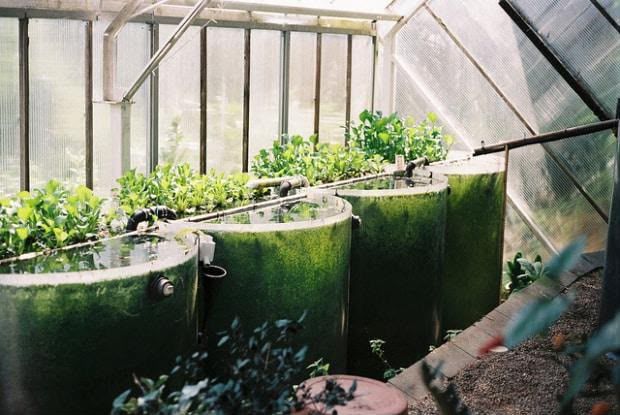
Aquaponics has a simple appeal: fish and vegetables grown together in one loop of recirculating water, with the fish feeding the plants and the plants cleaning the water for the fish. In Uganda, where tilapia and catfish are familiar and leafy greens sell every day, the idea makes a lot of sense.
But a system is an investment of money, space and attention. We design and install systems for households, schools and farms, and the most successful owners are the ones who answered a few honest questions first. Here they are.
1. What do you want from it?
Start with the goal, because it shapes everything else. Fresh food for your household needs a small, simple system. A school that wants a teaching tool needs something robust, safe and easy to explain. A farm that wants income needs a system sized to a market, with a clear idea of who will buy the fish and the greens, and at what price. If your goal is income, work out your market before you work out your tank size.
2. Do you have the right space?
Aquaponics doesn't need good soil, but it does need a level, stable surface that can carry the weight of water. A full fish tank is very heavy, so rooftops need checking by someone qualified. Plants need light: most vegetables do best with at least six hours of direct sun. Leave room to walk around the system, feed the fish and harvest.
3. Is your power reliable?
This is the question people skip most often. Pumps move the water and aeration keeps oxygen in it, and fish can suffer quickly if oxygen runs low. If your area has frequent outages, plan for backup aeration from the start: a battery or solar-powered air pump is far cheaper than a lost stock of fish.
4. Where will your water come from?
Once a system is running, you only top up what evaporates and what the plants use. But you need a dependable source for the first fill and for top-ups. Mains, borehole and harvested rainwater can all work. Water quality matters, and chlorinated mains water may need to stand before it's added. Your installer should test your source.
Fish produce waste.
Their waste is rich in ammonia, which is harmful to fish if it builds up.
Bacteria turn waste into plant food.
Beneficial bacteria convert the ammonia into nitrates, a nutrient plants absorb readily.
Plants clean the water.
As they feed, the plants filter the water, which flows back to the fish.
5. How much time can you give it?
A home system needs a few minutes a day: feed the fish, glance at the pump, check the plants. Once a week, test the water. A new system also needs patience at the start, because the beneficial bacteria that turn fish waste into plant food take several weeks to establish before the system can carry a full stock of fish. If you travel often, arrange for someone to feed the fish and keep an eye on things.
6. What's your budget, really?
Tanks, grow beds, a pump, aeration and plumbing make aquaponics more expensive to start than a soil garden. The running costs are mostly fish feed, electricity and fingerlings. Think about the full first year, not just the installation, and ask any supplier for a clear list of what's included. At Cyvora, every quote spells out the components, the first stocking and the set-up support.
7. Who will you learn from?
Aquaponics is a living system, and there's a learning curve in water chemistry and fish care. The difference between a system that thrives and one that's abandoned is usually support in the first three months. Choose a supplier who trains you, answers the phone after installation and can supply feed and advice.
So, is it right for you?
Aquaponics is probably a good fit if you have a level, sunny space, a plan for power, a few minutes every day and a clear reason for doing it. It's probably not the right choice yet if power is very unreliable and you can't add backup, if nobody can look after the fish when you're away, or if you're hoping for a quick profit without a buyer lined up.
If you're unsure, start small. A home-scale system teaches you the rhythm of the loop before you invest in something bigger.