
Cyvora Aquaponics
Fish and vegetables, grown together in one loop.
Aquaponics raises fish and grows plants in the same recirculating water. We design, build and support systems for homes, schools, institutions and farms across Uganda, and we train the people who run them.
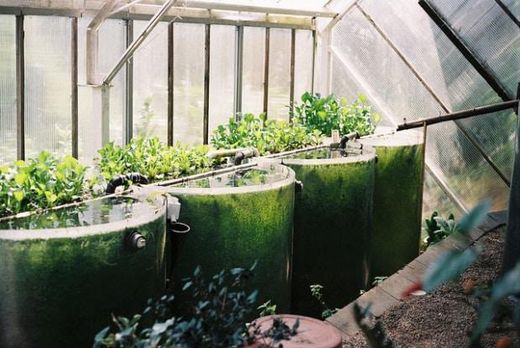
How it works
How it works, in three steps.
Fish produce waste.
Their waste is rich in ammonia, which is harmful to fish if it builds up.
Bacteria turn waste into plant food.
Beneficial bacteria convert the ammonia into nitrates, a nutrient plants absorb readily.
Plants clean the water.
As they feed, the plants filter the water, which flows back to the fish.
Comparison
Why aquaponics?
Compared with other ways of growing food, aquaponics solves problems they each leave behind.
| Soil gardening | Conventional hydroponics | Conventional fish farming | Aquaponics | |
|---|---|---|---|---|
| Nutrients | Needs regular fertilizer | Needs bought, manufactured nutrient solutions | Nutrient-rich wastewater must be removed | Fish waste supplies the plants' nutrients |
| Water | Much is lost to soil and evaporation | Recirculates, but solutions are periodically replaced | Water is regularly discharged | Water recirculates and is topped up to replace evaporation and plant uptake |
| Output | Plants only | Plants only | Fish only | Fish and plants from the same system |
| Space | Needs good soil and land | Can use any flat space | Needs ponds or tanks | Can use any flat space, including rooftops and yards |
Aquaponics← Cyvora
- Nutrients
- Fish waste supplies the plants' nutrients
- Water
- Water recirculates and is topped up to replace evaporation and plant uptake
- Output
- Fish and plants from the same system
- Space
- Can use any flat space, including rooftops and yards
Soil gardening
- Nutrients
- Needs regular fertilizer
- Water
- Much is lost to soil and evaporation
- Output
- Plants only
- Space
- Needs good soil and land
Conventional hydroponics
- Nutrients
- Needs bought, manufactured nutrient solutions
- Water
- Recirculates, but solutions are periodically replaced
- Output
- Plants only
- Space
- Can use any flat space
Conventional fish farming
- Nutrients
- Nutrient-rich wastewater must be removed
- Water
- Water is regularly discharged
- Output
- Fish only
- Space
- Needs ponds or tanks
Who it's for
Built for your space and your goals.
Households
Fresh fish and vegetables at home, in a yard or on a rooftop.
Schools
A working science laboratory that also feeds students.
Institutions
Hospitals, churches, training centres and other kitchens that need a steady supply of fresh food.
NGOs and community groups
Food security and livelihoods projects that train as they produce.
Commercial growers
Modular systems designed around a business plan and a market.
What we offer
Three ways to work with us.
- 01
System options
Three scales, from home to commercial.
See system options - 02
Consultation & setup
Assess, design, or build it with us.
Book a consultation - 03
Training & schools
Programmes, site visits and hands-on courses.
Explore training
Why Cyvora
Aquaponics from a biotechnology company.
We don't just sell tanks and pumps. Cyvora works with biology every day, from algae cultivation to fish feed, so our systems are designed around the living part: the fish, the bacteria and the plants. After installation we stay available, with feed, advice and troubleshooting.
Site visits
See a working system.
Visit one of our working systems near Kampala and see aquaponics in action.
FAQs
Questions before you start.
Which fish and crops can I grow?
In Uganda, tilapia and African catfish are common choices, grown alongside leafy greens such as sukuma wiki, lettuce, spinach and amaranth (dodo), plus herbs, tomatoes and peppers.
Does it need electricity?
Yes. Pumps and aeration need power. We can design for grid or solar supply.
How much space do I need?
—
How much daily work is it?
—
How much does it cost?
—
Do you maintain systems after installation?
—
Ready to start growing?
Tell us about your space and what you want to grow. We'll recommend the right system.