Why algae could become a major platform for Africa's bioeconomy
Algae are some of the oldest organisms on earth. They could also be among the most useful for Africa's next generation of industries. Here's why we treat algae as a platform, not a single product.
Most people meet algae as the green film on a pond or the slime on a rock. It's an easy thing to overlook. Yet microscopic algae are some of the most productive living things on the planet. Through photosynthesis they turn sunlight, carbon dioxide and nutrients into biomass, and they have been doing it for billions of years.
For a continent looking to grow food, feed, fertilizer and materials without taking more land or importing more inputs, that simple capability is worth a closer look.
What makes algae different
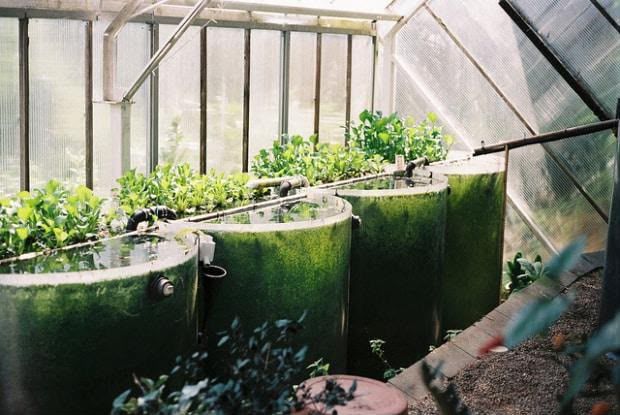
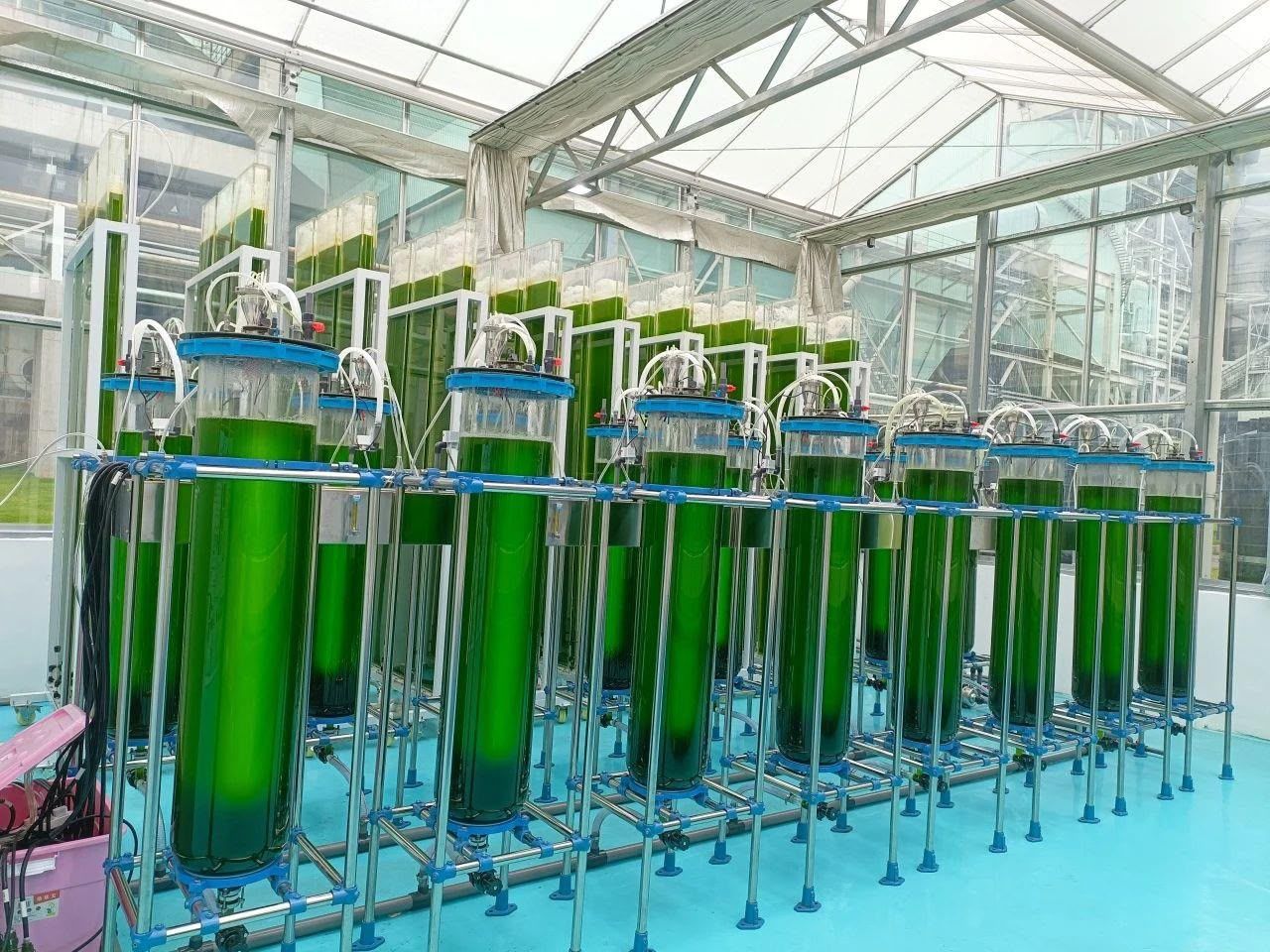
Algae photosynthesise like plants, but they don't need soil, and many species grow quickly in water, in ponds, tanks or closed photobioreactors. That brings three practical advantages.
- They don't compete for farmland. Algae can be cultivated on land that isn't suitable for crops, and in systems stacked or arranged to make the most of space.
- They can use what others waste. Many algae grow well on nutrients that would otherwise be pollution, such as nitrogen and phosphorus from organic waste streams. Growing algae can be a way of recovering those nutrients rather than losing them.
- They can use carbon dioxide as an input. Algae need CO₂ to grow. In the right systems, CO₂ from other processes can become a feedstock instead of an emission. (Measuring exactly how much is used, and what happens to that carbon afterwards, takes careful work. We'll publish our own figures only when we can show the method.)
One organism, many products
The biomass algae produce is a mix of proteins, carbohydrates, lipids and pigments. Depending on the species and how it's grown and processed, it can become:
- Animal and fish feed — many algae are rich in protein and can be part of livestock and aquaculture diets.
- Bio-fertilizers and biostimulants — algae biomass can return nutrients and organic matter to soils.
- Materials and chemicals — with further processing, algae fractions can feed into bio-based materials, pigments and other products.
- Energy — algae have long been researched as a source of biofuels, although making this economic at scale remains a challenge worldwide.
This is why we call algae a platform. One cultivation system can supply several product streams, and new products can be added as the science and markets mature, without starting again from scratch.
Why this matters for Africa
Much of Africa has what algae need: strong sunlight for much of the year, organic waste streams from farms, markets and processing, and fast-growing demand for protein feed and soil inputs. Building algae capability locally means value is added close to where resources and customers are, instead of exporting raw materials and importing finished products.
It also builds skills in cultivation, bioprocessing, quality control and engineering. These transfer to other parts of the bioeconomy.
The honest challenges
Algae are not a shortcut. Cultivation at scale needs careful control of light, temperature, nutrients and contamination. Harvesting and drying tiny organisms takes energy and good engineering. Some high-value products need certification and demanding quality standards. Many promising applications are still at research stage around the world.
That's why we label every Cyvora technology with its stage, from Commercial to R&D, and why we start with products that work today.
Where Cyvora fits
At Cyvora, algae cultivation already produces biomass that we supply as Cyvora Algae and use in Cyvora Feeds. We are piloting carbon utilisation with algae as Cyvora Carbon, and researching further products. Each step is designed to prove itself commercially before the next one begins.